


iGaming Unlocked: A Real Talk Guide to Casino, Bets, Slots & Poker
You've seen the flashy ads. You've heard the stories—someone's cousin turned $50 into five figures on a single slot spin, or a buddy cashed out big on a pa
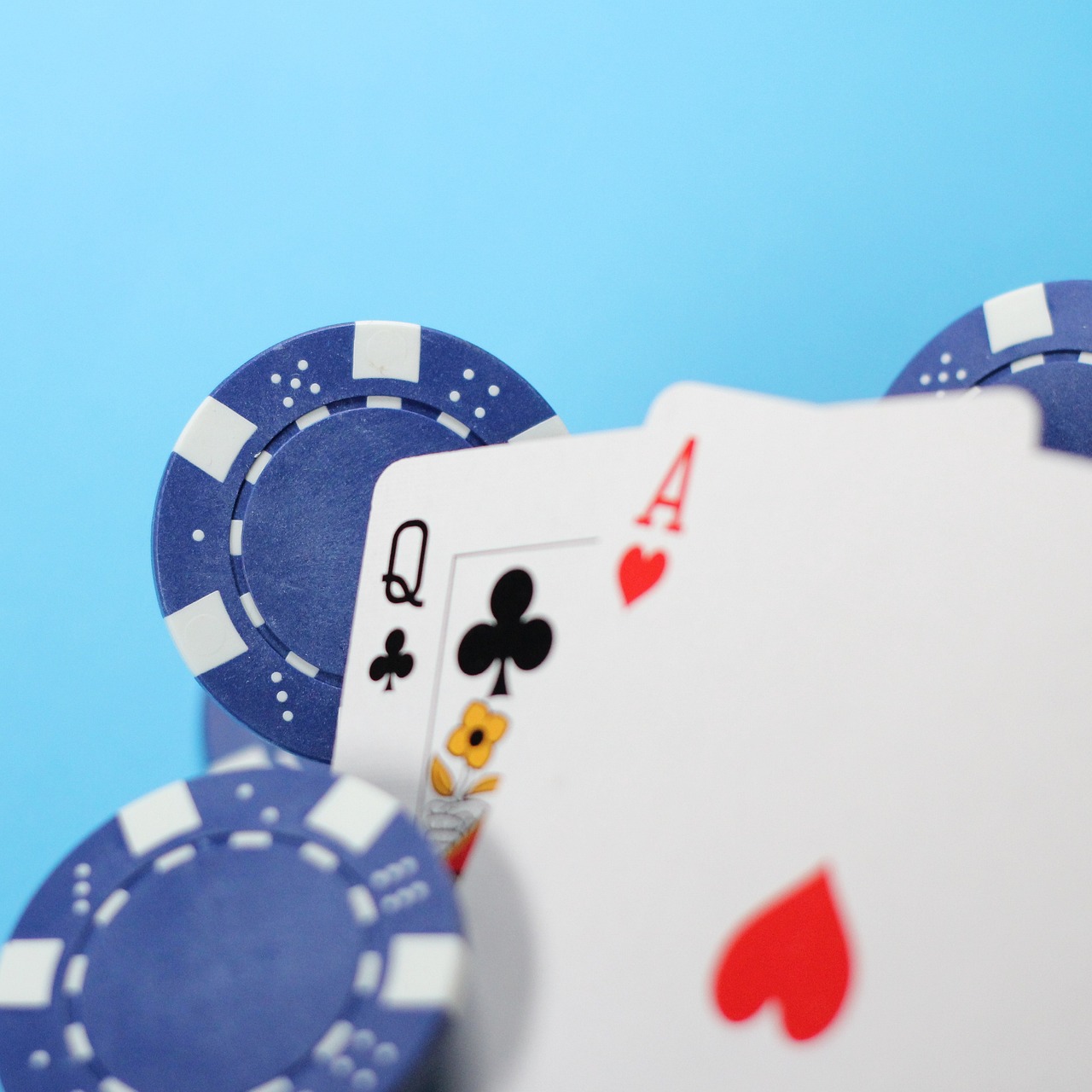
You've seen the flashy ads. You've heard the stories—someone's cousin turned $50 into five figures on a single slot spin, or a buddy cashed out big on a parlay. But let's cut through the noise. iGaming isn't just about luck; it's an ecosystem of math, psychology, and strategy. Whether you're spinning reels, sweating a poker hand, or eyeing a weekend accumulator, understanding how these games actually work separates the tourists from the regulars.
I'm not here to sell you a dream. I'm here to give you the real picture—the odds, the rhythms, and the smart habits that keep you in the game without losing your shirt.
Slots: The Siren Song of RNG
Slots are the casino's bread and butter, and for good reason. They're simple, flashing, and brutally honest about one thing: the house edge. Modern slots use a Random Number Generator (RNG), which means every spin is independent. The machine doesn't 'warm up' after a dry spell. That's the gambler's fallacy talking.
But here's what the marketing doesn't tell you: slot volatility matters more than the theme. A high-volatility slot like Bonanza can go hundreds of spins without a win, then explode. Low-volatility games like Starburst pay small but often. Your bankroll should dictate your choice. Got $50 and want to play for an hour? Stick to low volatility. Got $200 and chasing a jackpot? High volatility is your ride.
Also, check the RTP (Return to Player). Online slots typically range from 94% to 97%. That 3% difference might seem tiny, but over 1,000 spins, it's the difference between losing $30 and $60 on a $1 bet. Always sort by RTP in the lobby—it's the closest thing to a fair fight.
Table Games: Where Skill Trims the Edge
If slots are a lottery ticket with extra steps, table games are where you can actually influence outcomes. Blackjack, for instance, has a house edge as low as 0.5% if you play basic strategy perfectly. That's not a typo. Learn the chart—when to hit, stand, double, or split—and you're playing nearly even with the house.
Baccarat is another gem. The banker bet carries a 1.06% house edge. No decisions, no stress. Just pick a side and let the cards fall. Compare that to roulette, where American wheels (with the double zero) have a 5.26% edge. European wheels? 2.7%. Always choose European.
- Blackjack: Learn basic strategy. Never take insurance.
- Baccarat: Bet the banker. Ignore the tie bet (14% edge).
- Roulette: European wheel or nothing.
The takeaway: table games reward discipline. Slots reward hope. Know which you're in the mood for.
Poker: The Only Game Where You Play the Players
Poker is the great equalizer. The house takes a rake, sure, but your profit comes from other players' mistakes, not from beating the casino. That's a fundamental shift in mindset. You're not gambling against the house; you're hunting.
Online poker has exploded again, especially fast-fold variants like Zoom and Rush & Cash. These games let you fold and instantly get a new hand, which means more hands per hour and more opportunities to exploit weak players. But speed also means variance swings harder. A bad session can feel like a bloodbath. For a closer look, สล็อตเว็บตรง has helpful details.
My advice? Start with micro-stakes cash games ($0.01/$0.02) and play tight-aggressive. Position is king. On the button, you can play a wider range. Under the gun, fold everything but premiums. And for the love of all things holy, don't chase draws without pot odds.
Tournaments are a different beast. The lure of a $10 buy-in turning into $10,000 is real, but the variance is brutal. You'll cash in maybe 10-15% of tournaments. The rest? You're gone before the first break. That's normal. Bankroll management—never buy in for more than 2% of your total roll—is non-negotiable.
Sports Betting: The Art of the Line
Sports betting has gone mainstream, and with it, a flood of 'experts' on Twitter. Here's the truth: beating the closing line consistently is the only proof of skill. If you bet the Chiefs at -3 and they close at -4.5, you got a good number. That's the game.
Focus on a niche—one sport, one league, maybe even one team. Know the injury reports, the weather, the referee tendencies. Data is your friend. Sites like Football Outsiders or KenPom for college hoops offer advanced metrics that casual bettors ignore.
And parlays? They're lottery tickets. Fun for a $5 sweat, but the house edge compounds with every leg. A three-team parlay at standard -110 odds has a house edge of around 12.5%. That's three times worse than a straight bet. If you want to gamble, gamble. But if you want to win, bet singles.
Bankroll Management: The Unsexy Superpower
You can be the best poker player in the world, but if you bet $500 on a $600 bankroll, you're a ticking time bomb. Bankroll management is the difference between a hobby and a disaster.
- Set a monthly loss limit. If you hit it, stop. No exceptions.
- Use unit sizing. A unit is 1-2% of your bankroll. Bet that, not your rent.
- Track everything. Spreadsheet, app, whatever. Know your win rate, your ROI, your tilt triggers.
- Take breaks. After a big win or a bad beat, step away. Emotions are the enemy.
Also, don't chase losses. The math doesn't care that you 'deserve' a win. The RNG doesn't know your name. Walk away.
The Future of iGaming: Faster, Smarter, More Regulated
Online casinos are evolving. Live dealer games stream in 4K from studios in Malta and Latvia. Crypto casinos offer provably fair games where you can verify every shuffle. And AI is starting to personalize bonuses in ways that feel almost creepy.
Regulation is tightening, too. In the US, states are slowly legalizing online poker and casino games, but the patchwork of laws means you need to check your local rules. In the UK, the Gambling Commission is cracking down on bonus terms and affordability checks. It's messy, but it's progress.
One thing is certain: the games aren't going anywhere. The question is whether you'll approach them as a sucker or a student.
Final Thought: Play the Long Game
iGaming is not a get-rich-quick scheme. It's entertainment with a cost, like a concert or a nice dinner. If you treat it as such, you'll have fun, maybe win a bit, and avoid the horror stories. If you treat it as a paycheck, the math will eat you alive.
So the next time you open a slot, sit at a poker table, or place a bet, ask yourself: am I here to play, or am I here to win? Both are fine. Just know the difference. And always, always set a limit before you start. Happy spinning, grinding, and sweating. May your variance be kind.


Post a comment